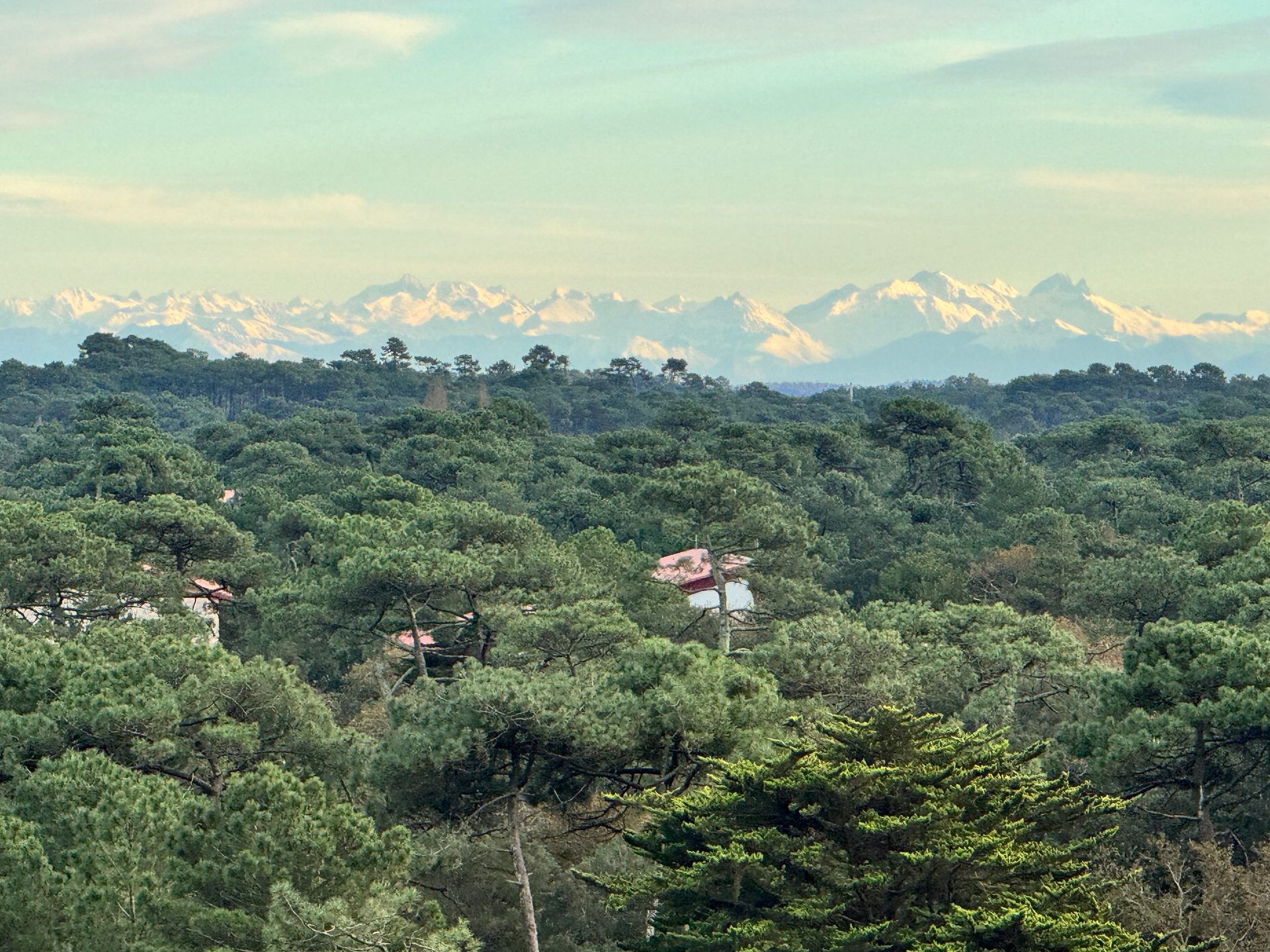

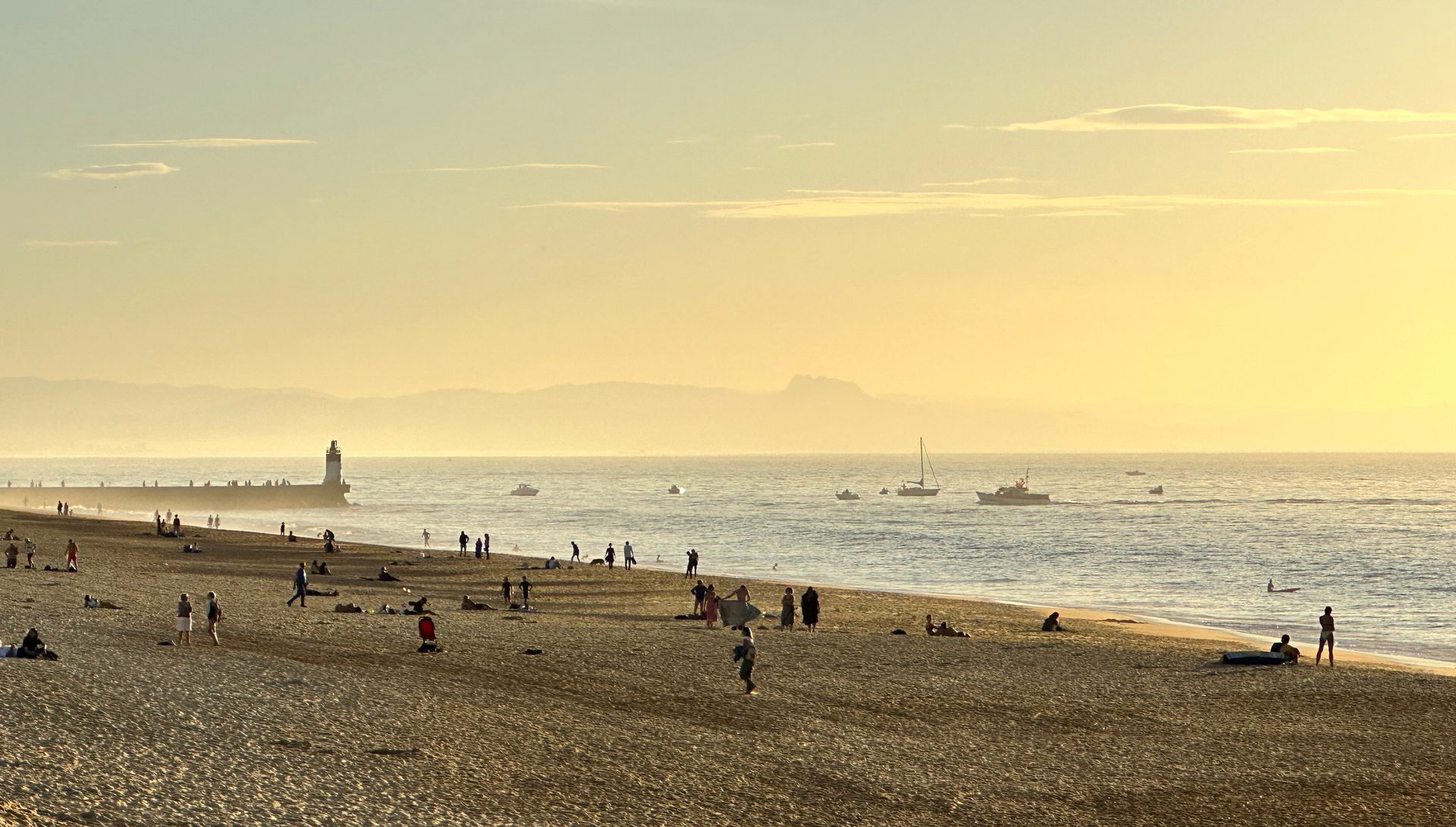
It is one of our guests’ favourite surprises: you open the shutters on a winter morning and a line of snow-capped peaks appears above the pine forest. Yes, you can see the Pyrenees from Hossegor. Not every day, but often enough for it to have become a little ritual. Here is when to spot them, exactly what you can see, and how to get a closer look at the mountains by going up La Rhune.
- What you can see: to the south, La Rhune (905 m) and the mountains of the Basque Country; further away, the snow-capped peaks of the Pyrenees.
- When: in cold, dry weather, especially in winter, often after a spell of rain or when the wind is from the south.
- Where: from our balconies, the central beach, La Sud facing the Capbreton lighthouse, and the Seignosse dunes.
- Going up: La Rhune’s little train, about 55 minutes away by car, open from late March to early November.
Why can you see the Pyrenees from Hossegor?
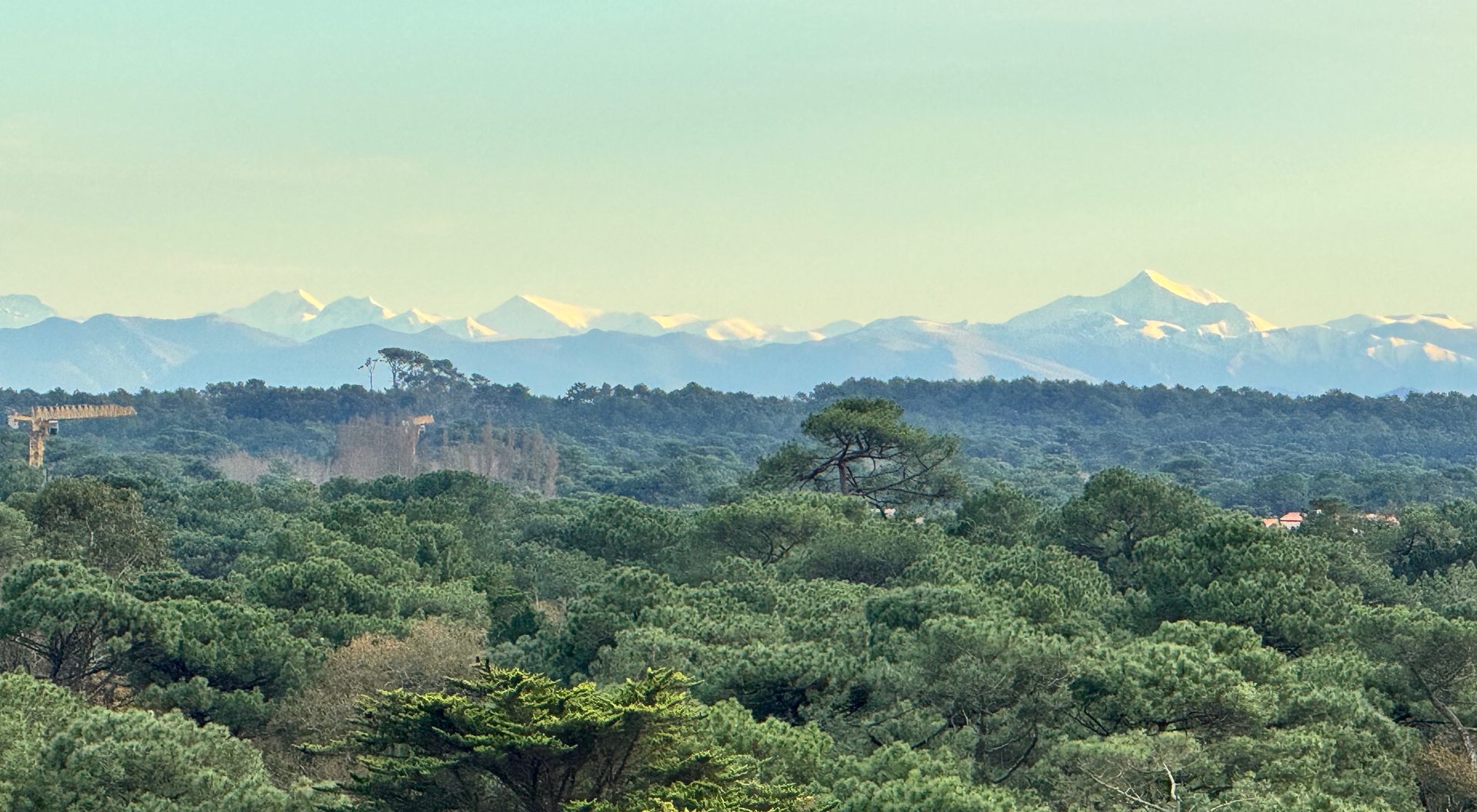
Hossegor lies at the southern end of the Landes coast, where the beach begins to curve towards the Basque Country. To the south, nothing blocks the view: the forest is flat, and the coastline runs on towards Biarritz. La Rhune, the emblematic mountain of the Basque Country, stands about fifty kilometres away as the crow flies, on the Spanish border. Behind it, the first high peaks of the Pyrenees, often snow-covered from December to April, rise above 2,000 metres and remain visible from more than a hundred kilometres away when the air is crystal clear.
When do you have the best chance of seeing them?
Visibility depends above all on how clear the air is. Conditions are at their best:
- in winter, when the cold, dry air holds little haze and the peaks are white;
- after rain, which “washes” the atmosphere;
- when the wind is from the south, which clears the horizon and sometimes brings astonishing clarity;
- early in the morning and late in the day, when the low light makes the relief stand out.
There is even a local saying that when you can see the mountains very clearly, rain is not far off. It is not a hard-and-fast rule, but exceptional visibility often comes before a change in the weather. In summer, heat haze usually hides the peaks, although the outline of La Rhune often remains visible at sunset.
Our favourite viewpoints
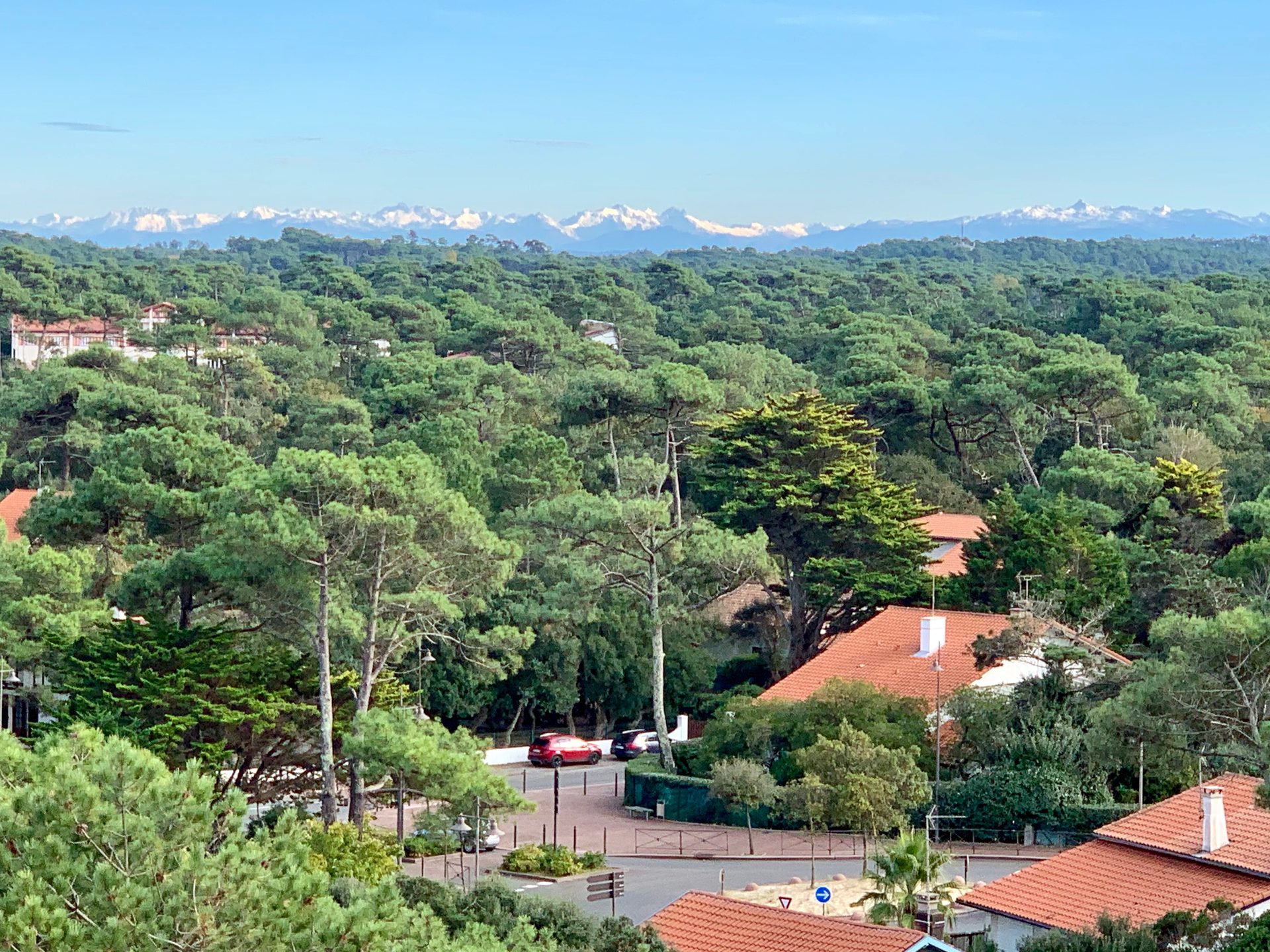
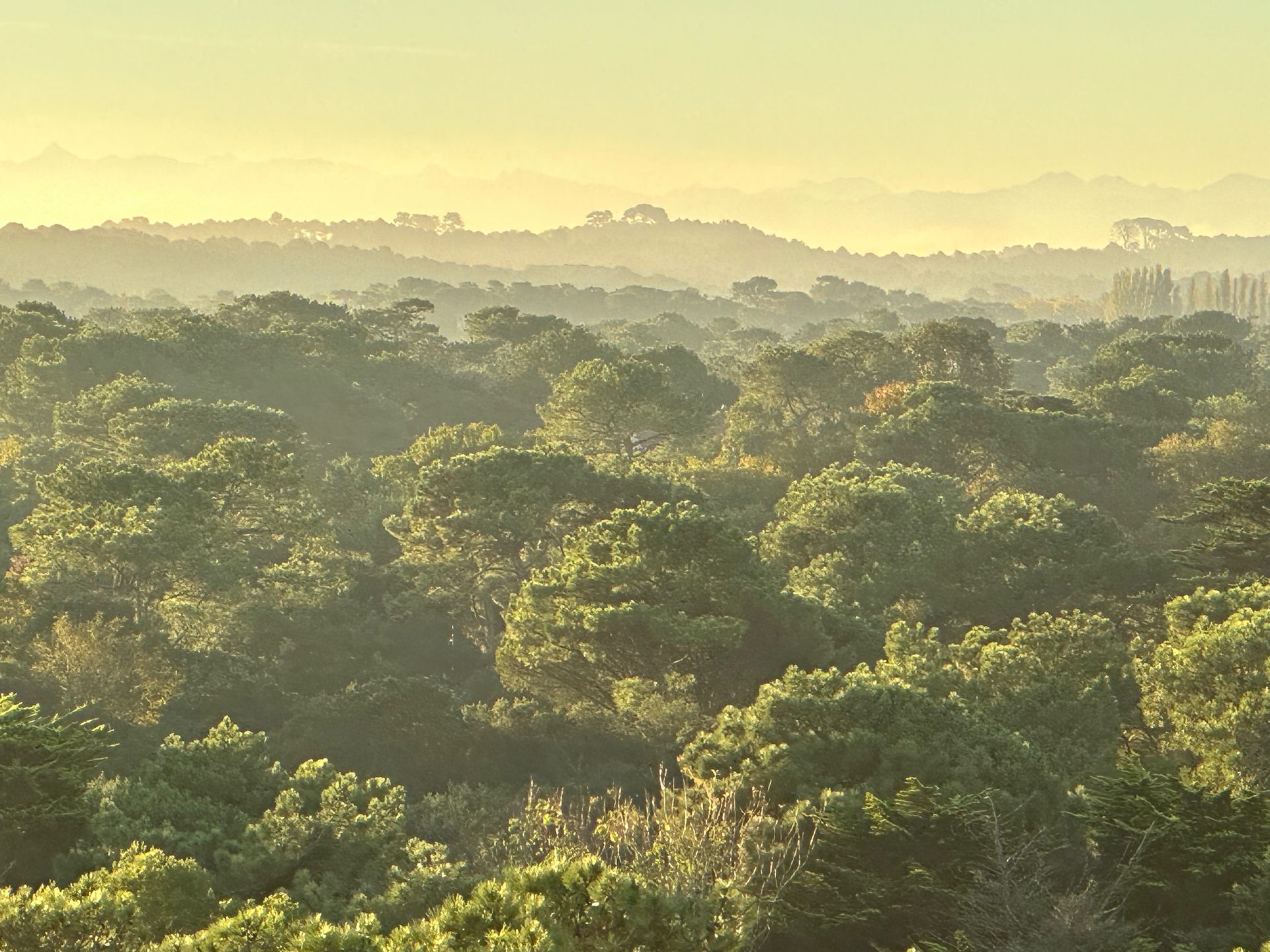
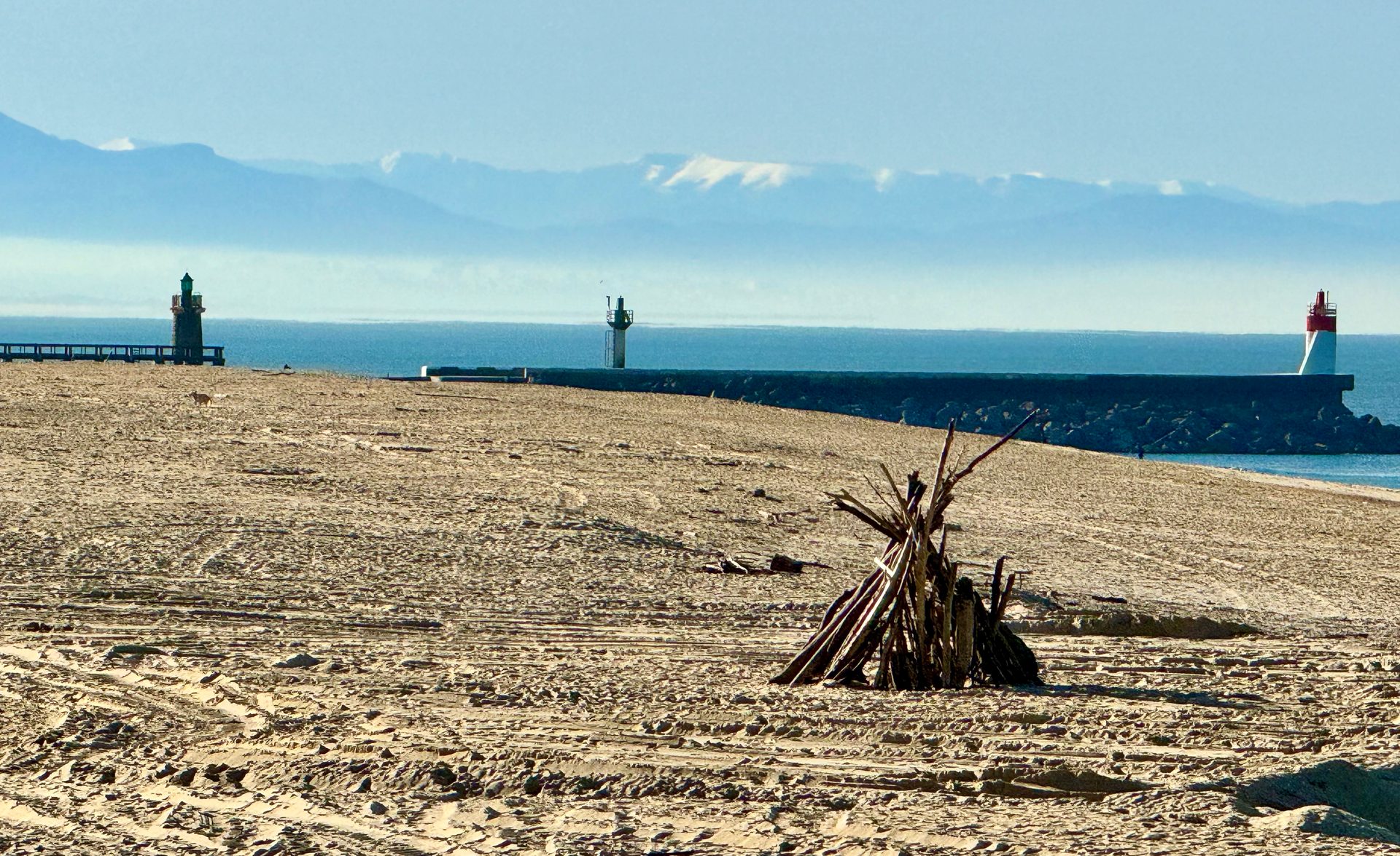
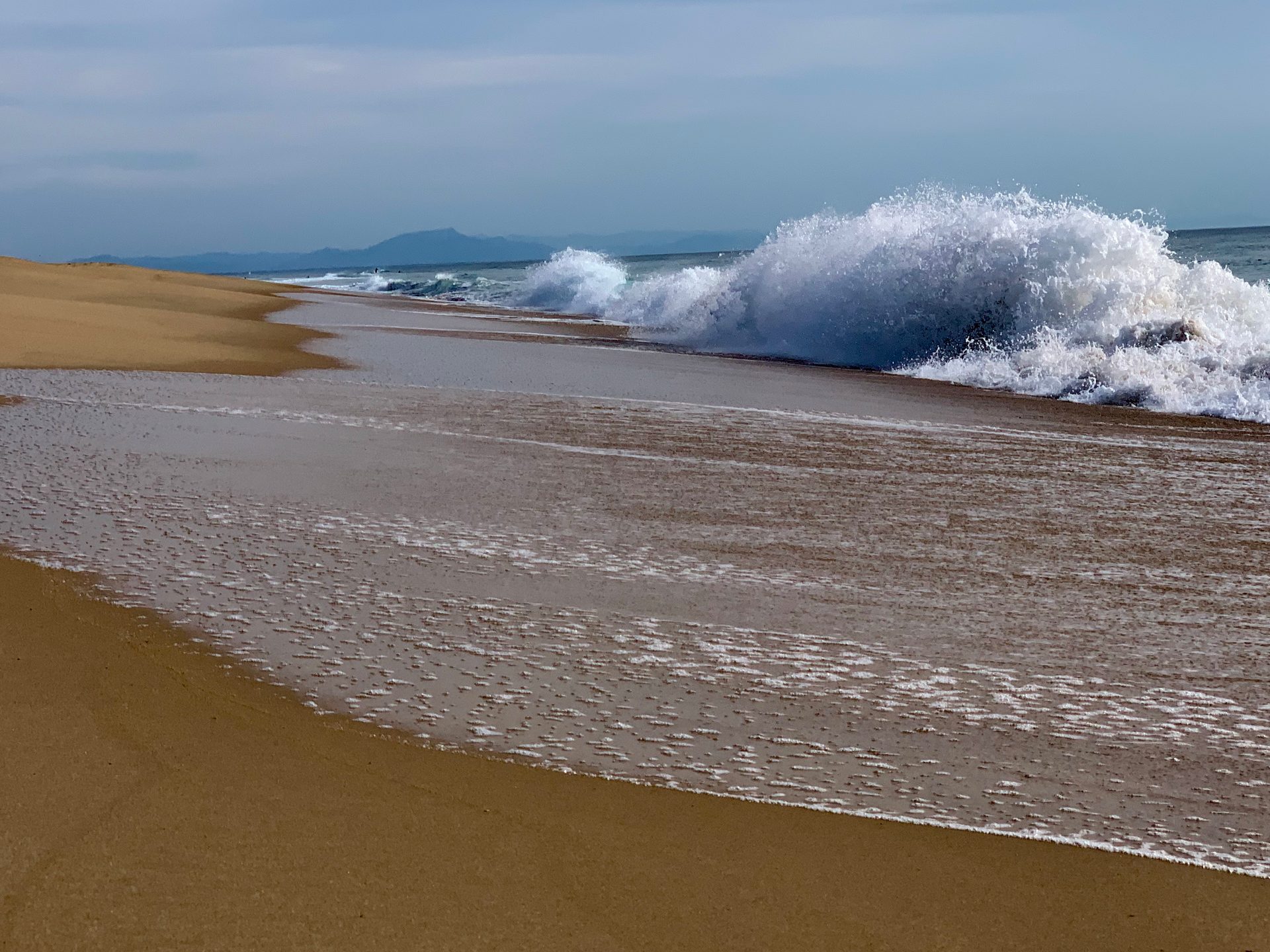
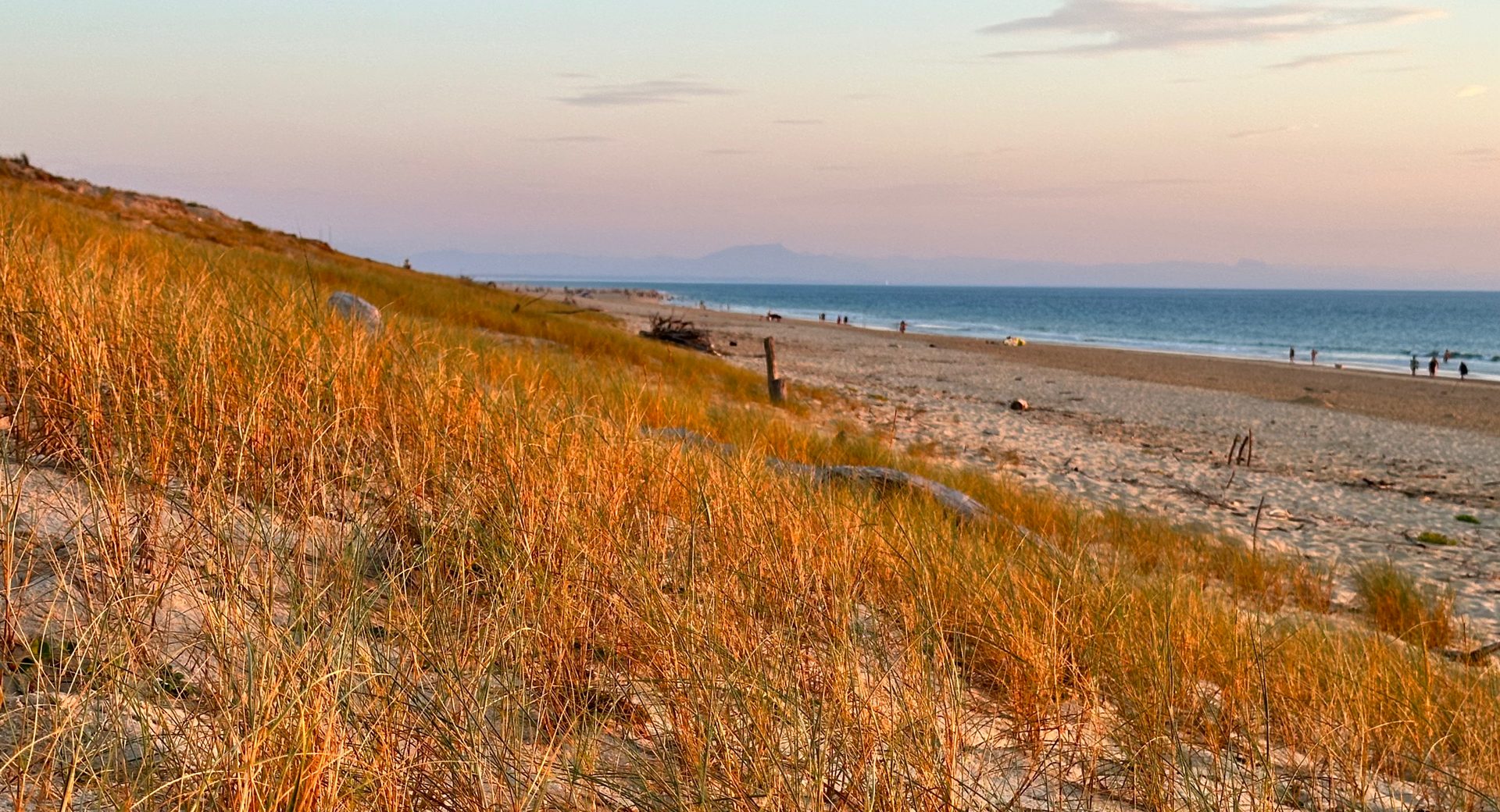
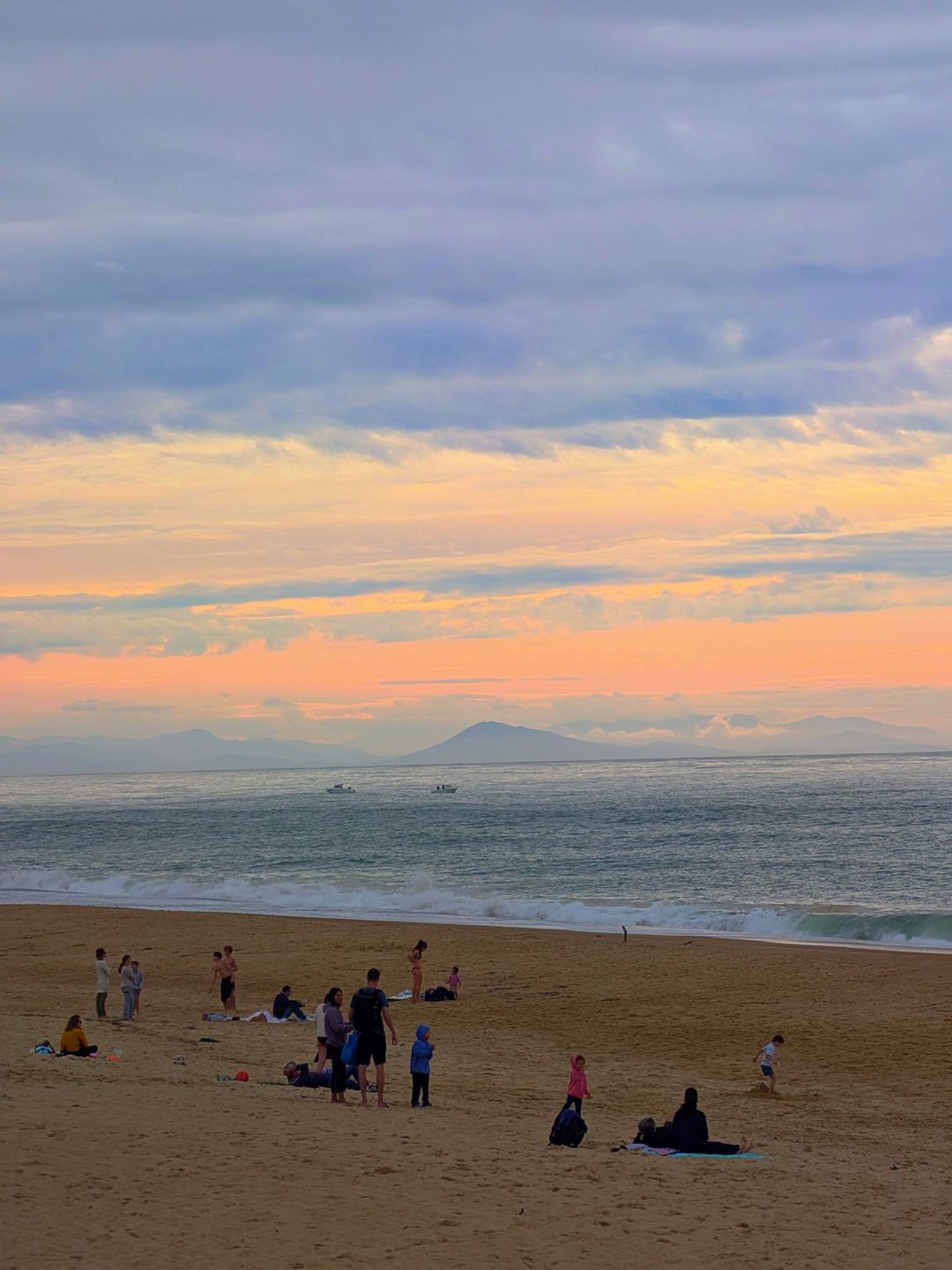
From our apartments, the balconies look out over both the ocean and the pine forest: several of the photos in this article were taken from there. On the beach, the best framing is towards La Sud, where the Capbreton jetty and its little lighthouses stand out against the mountains. Further north, the Seignosse dunes offer an open view over the whole sweep of the Bay of Biscay, with La Rhune as the focal point at dusk.
Going up La Rhune on the little train
To see the Pyrenees up close, nothing beats a day at La Rhune. From the Col de Saint-Ignace, in Sare, a century-old rack railway climbs in 35 minutes to the summit, at 905 metres. At the top, the view takes in the Basque coast, the ocean, the Landes forest on clear days, and the peaks of the Pyrenees. You will often come across pottoks, the small wild horses of the Basque Country.
| Access | Col de Saint-Ignace, Sare: about 57 km and 55 minutes by car from Hossegor |
| 2026 season | From 28 March to 1 November; the 2027 dates have not yet been published |
| 2026 prices | Return trip €26 per adult, €18 per child aged 4 to 12, €82 for the family ticket |
| Duration | 35 minutes up, about 1 hour 20 minutes at the summit |
| Booking | Recommended in high season, on the official website rhune.com |
Make a full day of it: Sare, listed among the Most Beautiful Villages of France, and its Gâteau Basque museum, then Espelette and its pepper-hung façades, about twenty minutes away. Hikers can also walk up from the Col de Saint-Ignace, allowing about two and a half hours for the climb.
Frequently asked questions
Yes. On clear days, especially in winter, after rain or when the wind is from the south, you can see La Rhune and the snow-capped peaks of the Pyrenees to the south, above the forest or behind the Capbreton lighthouse.
The most recognisable outline is La Rhune (905 m), the emblematic mountain of the Basque Country, about fifty kilometres away. When visibility is very good, the high snow-capped peaks of the Pyrenees appear behind it.
Allow about 55 minutes by car to the Col de Saint-Ignace in Sare, where La Rhune’s little train departs.
In 2026, it ran from 28 March to 1 November. The dates for the 2027 season had not yet been published; they should be similar. Check the official website before you set off.
Fancy waking up to a view of the Pyrenees? Discover our apartments in Hossegor, between the ocean and the forest. And for the winter months, read Hossegor in winter too.
Recent articles
- Christmas in Paris 2026: markets, window displays and lights, on foot from the rue de Rivoli
- Hossegor in winter: storms, big waves and the gentle pace of the off-season
- Paris exhibitions this winter 2026-2027: our picks within walking distance of the rue de Rivoli
- Quiksilver Festival in Hossegor: surf, music and skate below your windows
- Paris along the Seine
- A romantic weekend in Paris
- The most beautiful views of Paris
- Visiting the Louvre like an insider: our tips from the rue de Rivoli
- All of Paris on foot from the rue de Rivoli
- The Ronde des Sables in Hossegor: sand racing below your windows
- 48 hours in Hossegor without surfing: what to do beyond the waves
- The Hossegor sea lake: walks, oysters and sunsets


